Best Pooler Auto Repair Near You
Maintain Your Vehicle in Top Condition: Vital Auto Maintenance Advice
Preserving a vehicle is crucial for its longevity and performance. Routine maintenance can prevent costly repairs and enhance safety. Many drivers neglect critical responsibilities like tire rotations and fluid inspections. Knowing the right time for these maintenance tasks is key. Furthermore, knowing the balance between DIY repairs and qualified service can make a significant difference. What further aspects may influence a vehicle's optimal performance? The following tips will provide further insights.
Learn Your Vehicle's Maintenance Schedule
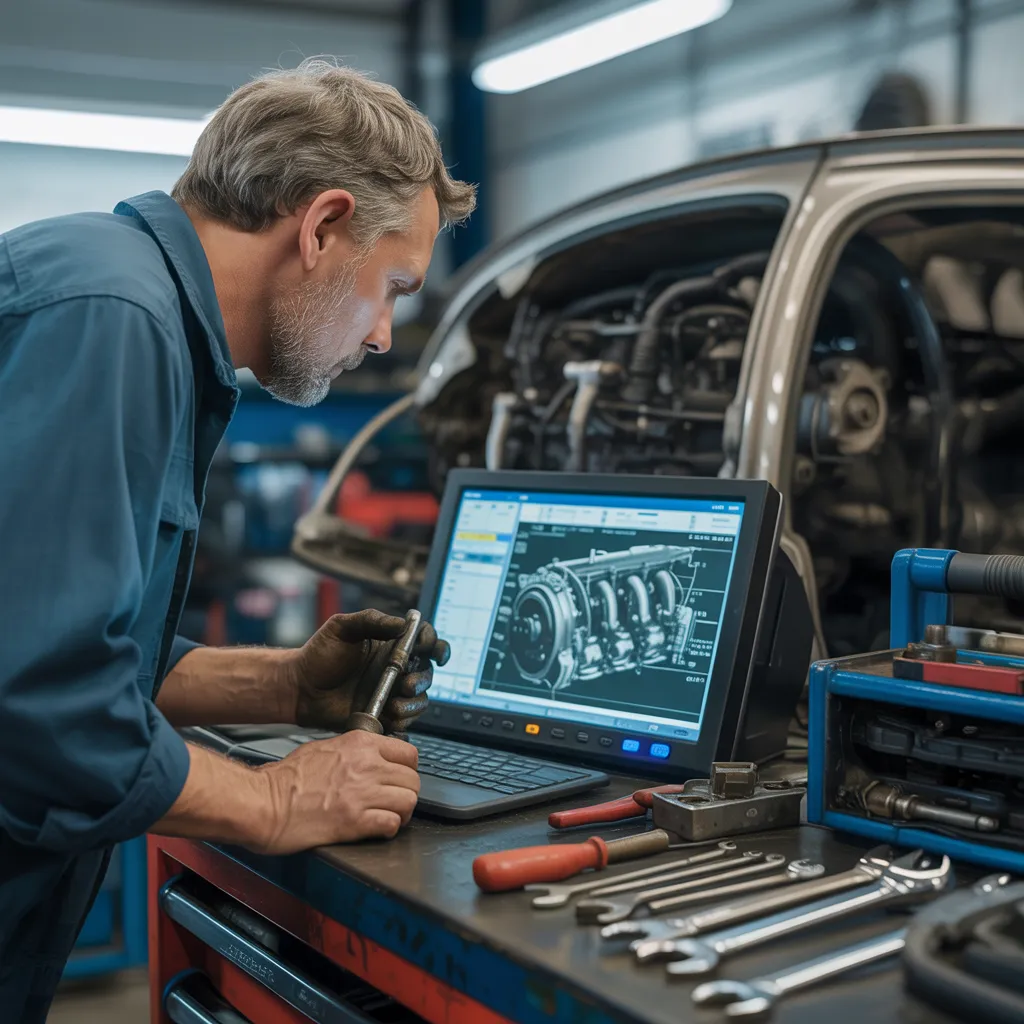
To maintain optimal performance and durability, understanding a vehicle's maintenance schedule is essential for every car owner. This schedule outlines the specific intervals for servicing various components, making sure the vehicle functions at its best. Common routine maintenance tasks include oil changes, filter replacements, and tire rotations, all of which are essential for avoiding more serious problems in the future.
Vehicle makers typically include specific instructions in the owner's manual, detailing when such maintenance should be performed according to distance or time intervals. Following these recommendations helps maintain the car's warranty coverage and enhances its market value.
Moreover, staying informed about service bulletins and recalls enhances reliability and safety. When prioritizing the maintenance schedule, owners can minimize the potential for sudden breakdowns and expensive repair bills, ultimately contributing to a better overall experience behind the wheel. Acknowledging the value of these scheduled services is a critical part of being a responsible vehicle owner.
Check and Change Your Fluids Regularly
Regularly checking and changing vehicle fluids is critical for preserving optimal performance and avoiding damage. Important fluids including engine oil, coolant, brake fluid, transmission fluid, and power steering fluid are fundamental to a vehicle's performance. Engine oil lubricates moving parts, reducing friction and heat, while coolant prevents overheating. Brake fluid is essential for reliable and responsive braking, and transmission fluid promotes smooth and reliable gear shifting.
Overlooking fluid maintenance may cause significant complications, including powertrain failure or diminished braking capability. It is recommended that vehicle owners review their owner's manual for precise guidelines on fluid checks and changes. Additionally, regular inspections can help identify leaks or contamination early. By incorporating fluid maintenance into regular vehicle upkeep, owners can improve durability and dependability, ultimately reducing expensive repair costs. Giving these responsibilities proper attention significantly benefits the overall condition of the vehicle.
Inspect and Replace Worn Tires
Checking and replacing deteriorated tires is vital for maintaining safety and maximum vehicle performance. Tires represent the only connection between a vehicle and the road surface, making their condition absolutely critical. A regular inspection should include checking for tread depth, sidewall damage, and uneven wear patterns. Tread depth may be assessed through the penny test; should the tread fail to cover Lincoln's head, a replacement is necessary.
Vehicle owners should also keep an eye on tire pressure, as both insufficient inflation and excessive inflation can have a harmful effect on performance and fuel consumption. Furthermore, rotating tires every 5,000 to 7,500 miles promotes even wear and extends their lifespan. If any tires show considerable wear or damage, timely replacement is critical to ensure proper grip and reduce the risk of blowouts. Through consistent tire care, motorists can strengthen safety, optimize fuel savings, and secure a smoother journey. Consistent tire care can significantly influence overall vehicle dependability.
Regular Brake Inspections and Pad Replacements
Consistent brake inspections and pad replacements are vital for ensuring vehicle safety and performance. Motorists should recognize the indicators of worn brake pads, including squeaking or diminished responsiveness. Establishing a schedule for inspections can help prevent costly repairs and guarantee peak brake health.
The Value Of Brake Health
Even though many drivers emphasize engine performance and fuel consumption, the importance of brake health should not be underestimated. Proper brake function is essential for vehicle safety, allowing drivers to halt safely and prevent collisions. Routine brake checks allow for early detection of possible problems, reducing the likelihood of major repairs while sustaining top-level performance. Brake pads, which experience significant wear over time, should be replaced according to manufacturer recommendations or when inspections indicate reduced effectiveness. Failing to attend to brake condition can cause diminished halting power and extended stopping distances, placing the driver and surrounding individuals in jeopardy. By emphasizing brake maintenance, drivers can enhance their vehicle's safety and longevity, ultimately leading to a more secure driving experience.
Indicators Of Worn Brake Pads
Brake pads are essential components that directly impact a vehicle's stopping power, and identifying the indicators of deteriorating pads is crucial for ensuring road safety. Drivers should be vigilant for several indicators of wear. A squealing or scraping sound while braking frequently indicates that the pads have worn thin and require replacement. Additionally, a vehicle pulling to one side while braking may suggest uneven pad wear. Diminished response or a soft brake pedal may also suggest that the pads are failing to function properly. Furthermore, a visual check can uncover a slender pad surface, usually measuring less than a quarter-inch, demanding urgent attention. Routine brake evaluations can assist in detecting these problems before they endanger road safety.
Planned Inspection Guidelines
Scheduled inspections are vital for maintaining peak vehicle performance and safety. Periodic brake inspections, commonly advised every 6,000 to 10,000 miles, are effective in spotting wear and tear before it develops into a major concern. Professionals examine the brake pads, rotors, and fluid levels to confirm proper operation. If brake pads are worn to below the manufacturer's specifications, replacing them promptly is essential. Ignoring this upkeep may result in reduced braking performance and potentially dangerous conditions. Moreover, vehicle operators ought to stay alert to any uncommon sounds or vibrations when braking, which could suggest the need for an urgent evaluation. Following these recommendations not only enhances vehicle safety but also extends the lifespan of the braking system. Making scheduled inspections a priority results in a more dependable driving experience.
Keep Track of Your Battery Health Frequently
How does one ensure a vehicle starts dependably on every occasion? Regularly checking battery health is vital for securing dependable operation. A vehicle's battery is essential for starting the engine and powering various electrical systems. As time passes, battery performance can decline due to factors such as age, severe temperature fluctuations, or buildup of corrosion at the connection points.
To keep your battery in good condition, it is recommended to inspect it every six months. Check for wear indicators, such as cracks or bulging. Clean any corrosion around the terminals using a solution of baking soda mixed with water. In addition, testing the battery's voltage can help determine its current state; a fully charged battery should read around 12.6 volts or above.
If the battery begins to show signs of wear, timely replacement can help avoid unexpected breakdowns. By focusing on battery care, drivers can ensure their cars start consistently, lowering the likelihood of being stuck due to battery failures.
Never Ignore Warning Lights
Overlooking dashboard warning lights can result in serious consequences for a car's safety and performance. These warning lights act as critical alerts that warn drivers about potential issues, ranging from small defects to major breakdowns. For example, a engine warning light could signify anything from a loose gas cap to a serious underlying engine issue.
Dismissing such warnings can lead to worsening damage and greater financial burden, in addition to hazardous driving situations. Additionally, particular dashboard lights, including lights for braking systems or oil pressure concerns, highlight critical hazards that could put at risk the vehicle as well as the driver.
Vehicle owners are encouraged to become familiar with the symbols on their dashboard, ensuring they understand the implications of each warning light. Timely attention to these alerts can prevent further damage and enhance overall vehicle longevity, which is why it is crucial to respond to warning lights without delay.
When to DIY vs. Call a Mechanic
Choosing between handling auto repairs on your own or turning to an expert relies on various important elements. It is essential to assess your abilities and expertise, correctly identify the problem, and weigh the relevant expenses. Considering all of these aspects can help you arrive at a well-reasoned conclusion about the right path forward.
Assessing Your Skills
When evaluating the options between addressing an automotive issue yourself or turning to an expert, one must initially consider their own mechanical analysis skills and knowledge. Evaluating personal experience with tools, knowledge of car systems, and history of successful repairs can offer clarity on one's capabilities. Those with a solid foundation in automotive basics may find themselves capable of tackling basic maintenance tasks, such as handling routine oil and filter maintenance. In contrast, people who are unfamiliar with car repairs or those facing complex issues should consider consulting a mechanic. Additionally, being aware of your own readiness and the inherent risks of the situation is essential. At the end of the day, knowing when to step back and seek professional assistance can protect your time, budget, and vehicle from unnecessary harm.
Identifying The Issue
Upon assessing their mechanical skills, individuals must properly identify the underlying problem to establish whether a do-it-yourself approach is practical or if professional assistance is needed. Noticing indicators, such as strange noises or warning lights, is the first step. Researching these signs can shed light on potential concerns. Minor repairs, like swapping out a battery or changing oil, may be achievable for those with basic mechanical knowledge. However, complex issues, such as transmission breakdowns or wiring system problems, often require specialized knowledge and tools. Vehicle owners ought to weigh their schedule and resource availability. Ultimately, knowing when to seek a mechanic can preserve both time and finances, guaranteeing the car gets the proper attention it requires.
Cost Considerations Involved
How can individuals effectively balance their budget with the need for vehicle repairs? Choosing between self-repair and professional mechanical assistance frequently depends on budget concerns. DIY repairs can save money, particularly for minor issues like changing oil or replacing air filters. That said, it is important for individuals to honestly gauge their competence and weigh the consequences of potential missteps. In contrast, demanding repairs such as engine or transmission overhauls usually necessitate expert attention, where paying upfront can help avoid more severe damage and increased expenditures. Furthermore, accounting for the cost of tools and supplies needed for self-repair work can significantly affect total spending. In the end, knowing when to dedicate personal effort versus hiring a professional is key to preserving both the condition of the vehicle and financial stability.
Questions We Often Receive
How Can I Tell if My Car Needs a Tune-Up?
A vehicle may be in need of a tune-up if it displays rough idling, decreased fuel efficiency, warning lights, difficulty starting, or unusual noises. Scheduled maintenance evaluations are helpful in catching these concerns before they worsen for the best possible vehicle performance.
What Are Common Signs of a Failing Alternator?
Symptoms of a malfunctioning alternator encompass fading headlights, electrical malfunctions, a dead battery, strange sounds, and dashboard warning lights. Identifying these symptoms can signal the need for prompt inspection or replacement.
How Often Do I Need to Rotate My Tires?
Tires should typically be rotated at intervals of 5,000 to 7,500 miles, according to the specific vehicle and tire requirements. Consistent rotations are essential for ensuring even wear, extend tire life, and maintain ideal handling and performance on the road.
What Steps Should I Take if My Engine Overheats?
In the event that the engine overheats, the driver should safely pull over, switch off the engine, and let it cool down. Examining the coolant levels and identifying any leaks is necessary before attempting to restart the vehicle.
What Steps Can I Take to Improve My Vehicle's Fuel Economy?
To boost gas mileage, individuals should ensure tires are at the correct pressure, schedule routine engine maintenance, utilize premium-grade fuel, cut down on excess vehicle load, and adopt smoother driving habits. Collectively, these practices produce better overall fuel efficiency.